What's In a Name
In 1954, Middle Tennessee State College opened a new building for the Department of Military Science and Tactics, better known as the ROTC program. The State Board of Education accepted the building at the beginning of the fall quarter, and at its dedication it was described as one of the finest ROTC facilities in Tennessee. When the college named the building, it chose the name Nathan Bedford Forrest Hall. During the dedication, in 1958, Dean Keathley explained that there had been no long search for a name. As he put it, “The name was simply present and at hand. The spirit of the man for whom the building is named resides on our campus.” This page explains who Nathan Bedford Forrest was and why his name was chosen for the ROTC building in 1958.
Who Was Nathan Bedford Forrest?
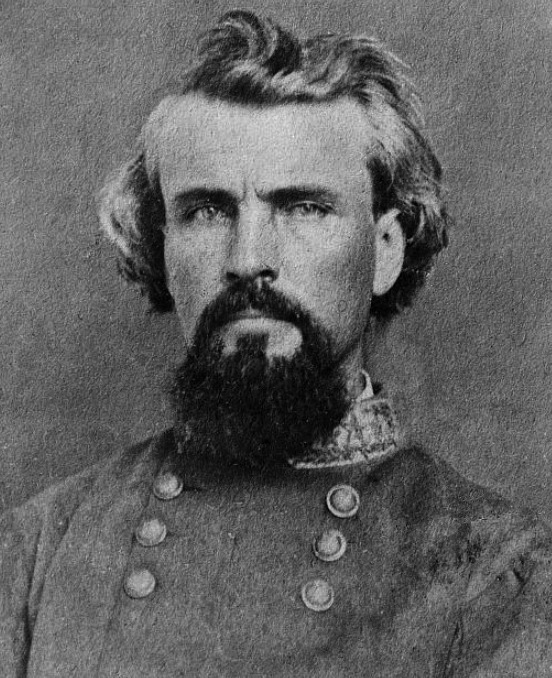
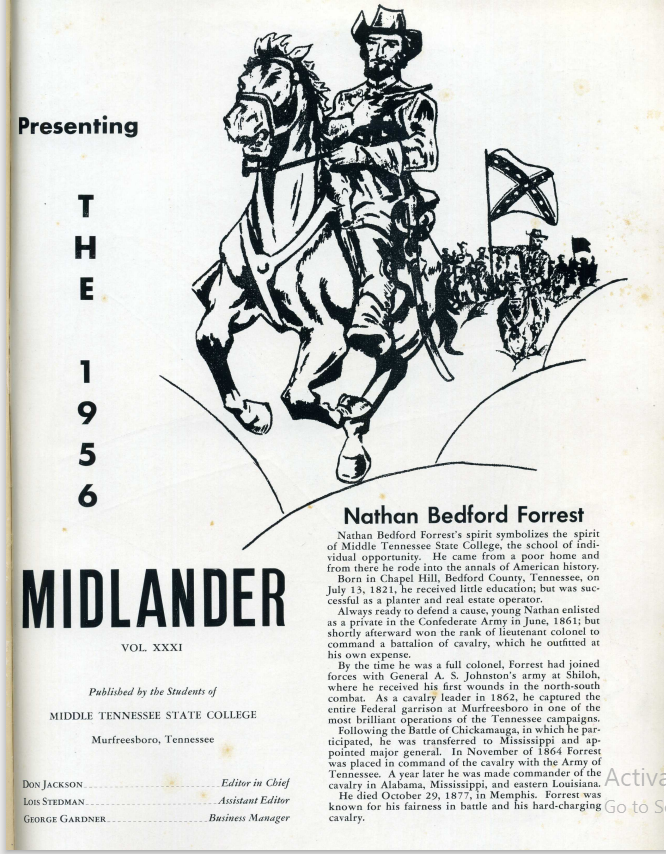
Nathan Bedford Forrest was born on July 13, 1821, in what was then Bedford County, Tennessee, in the area that later became Marshall County. Dedication speakers later described his birthplace as “near Chapel Hill, Tennessee, not far from Murfreesboro.” Early writers described Forrest as coming from “the best American pioneer stock.” His family moved to North Mississippi when that region was opened to white settlement. After his father died, Forrest became head of the family at about sixteen. He worked as a farmer, stock dealer, and trader in horses and enslaved people. By the 1850s he had become one of the wealthiest men in the South, operating as a slave trader, land speculator, and steamboat owner. Historians note that he became one of the largest slave traders on the Mississippi River after he moved to Memphis, and that his fortune, estimated at about $1.5 million, was built largely on that trade.
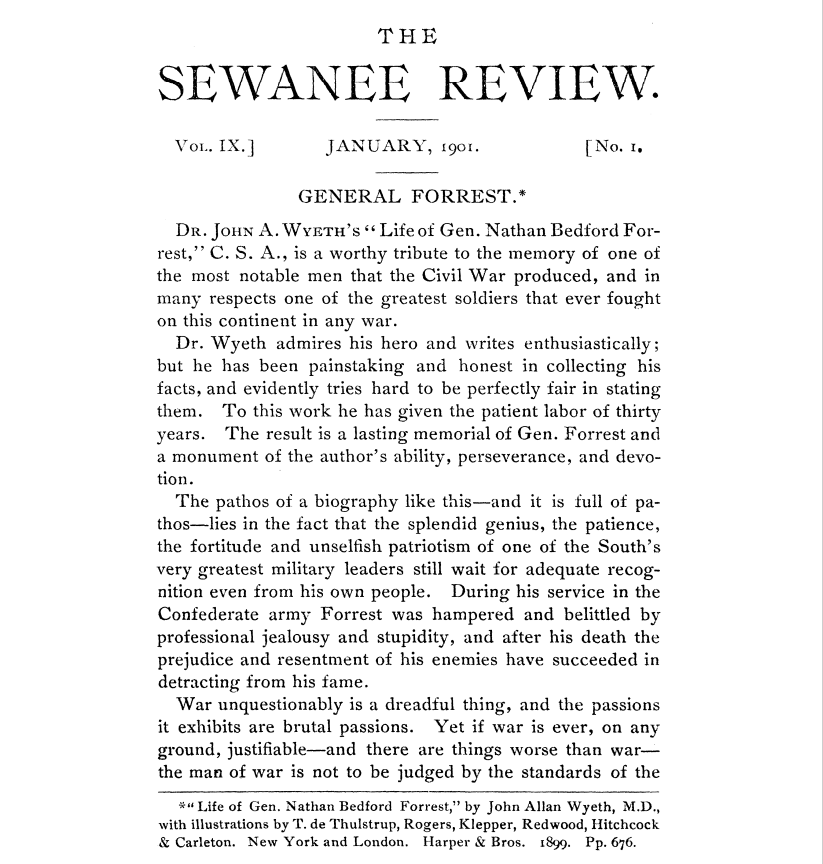
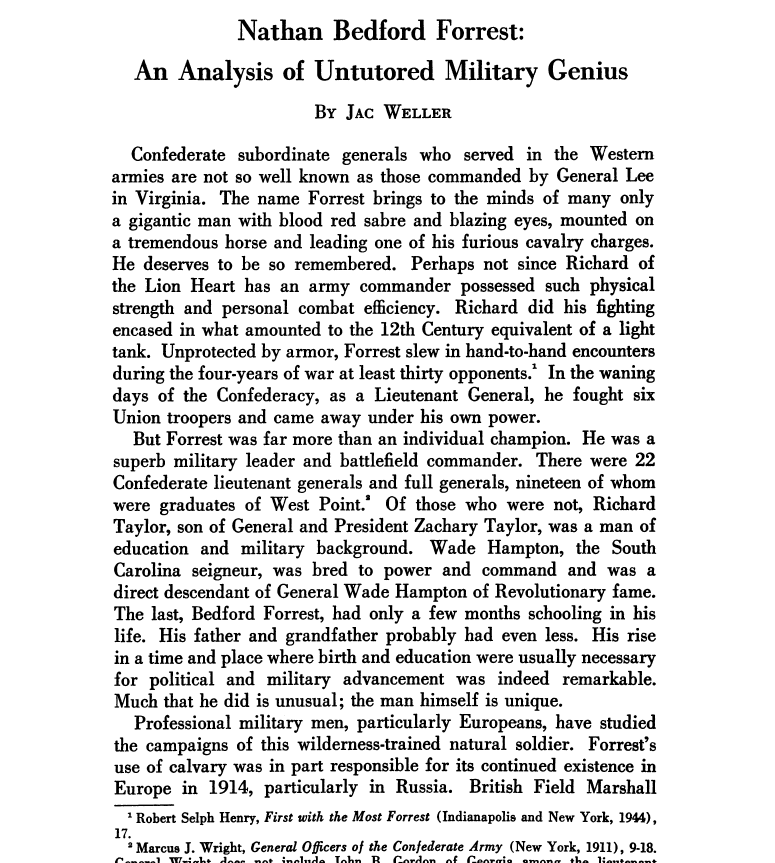
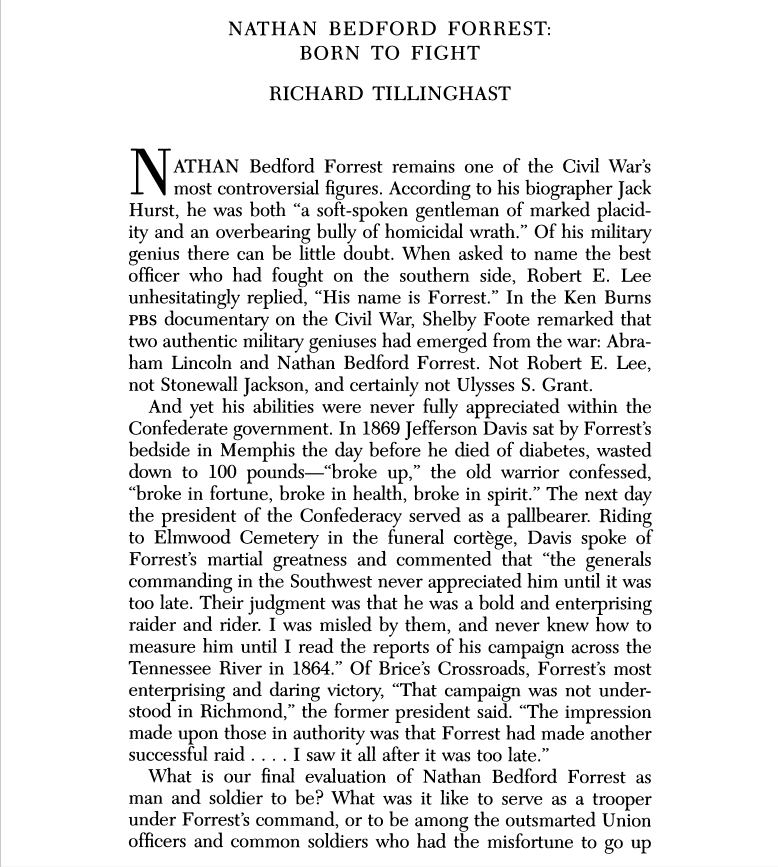
When Tennessee seceded from the Union in 1861, Forrest volunteered for service and was quickly authorized to raise and command a cavalry regiment. He had no formal military education but proved an able commander, known for his aggressive tactics and personal bravery. Admirers described him as a self-taught “military genius.” Bishop Thomas Gailor called him “the most remarkable man our Civil War produced on either side,” and military historians later said European officers studied his campaigns. Forrest’s wartime record included celebrated victories but also deep controversy. In April 1864, his men captured Fort Pillow, Tennessee, where Union soldiers, many of them Black, were killed in large numbers after surrendering. A congressional committee later called it “an indiscriminate slaughter.” Two months later, Forrest achieved his greatest victory at Brice’s Crossroads, Mississippi, but by 1865 he was forced to surrender his remaining troops near Selma, Alabama.
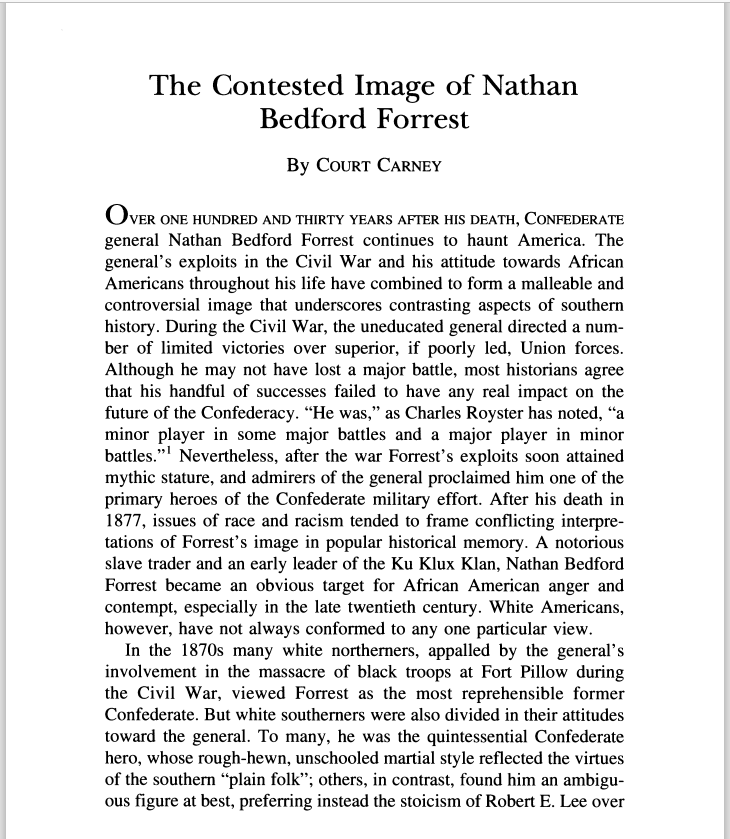
After the war, Forrest tried to rebuild his fortune. In 1867 he became the first Grand Wizard of the Ku Klux Klan. Some of his contemporaries claimed that he later disbanded the Klan, but historians agree that racial violence was a central part of its activities. Early biographers portrayed him as a defender of southern honor, but later scholars, such as Court Carney, describe him as a “notorious slave trader and early leader of the Ku Klux Klan.” Forrest died in 1877 after a series of failed business ventures, and over time he became one of the most contested figures in southern memory.
When Middle Tennessee State College named the ROTC building after him in 1954, speakers emphasized Forrest’s local roots and his military talent. Keathley reminded the audience that Forrest had been born near Murfreesboro and that he had risen “to heights of leadership, generalship, and fame that have not been eclipsed.” He praised Forrest’s “military genius” and said his exploits had been “told and retold over all the hearthstones of Middle Tennessee.” Keathley also claimed that military leaders in the United States and Europe studied Forrest’s campaigns because “no man since has excelled the great Southern raider.” He concluded that naming the building after Forrest connected the ideals of education, service, and military leadership with a celebrated figure from the region’s past.
At the time, no mention was made of Forrest’s role in the slave trade, his involvement at Fort Pillow, or his leadership in the Ku Klux Klan. Those parts of his life were already known but not included in the dedication ceremony. The decision reflected how Forrest was remembered in the mid-twentieth century, as a symbol of local pride and Confederate valor. Yet the building’s physical presence and its name would endure long beyond 1954, standing as both a structure of learning and a monument to a contested memory. To understand how that legacy persisted and evolved, the next page, Forrest Hall, traces the building’s history.