-
Title
-
Ankara
-
Description
-
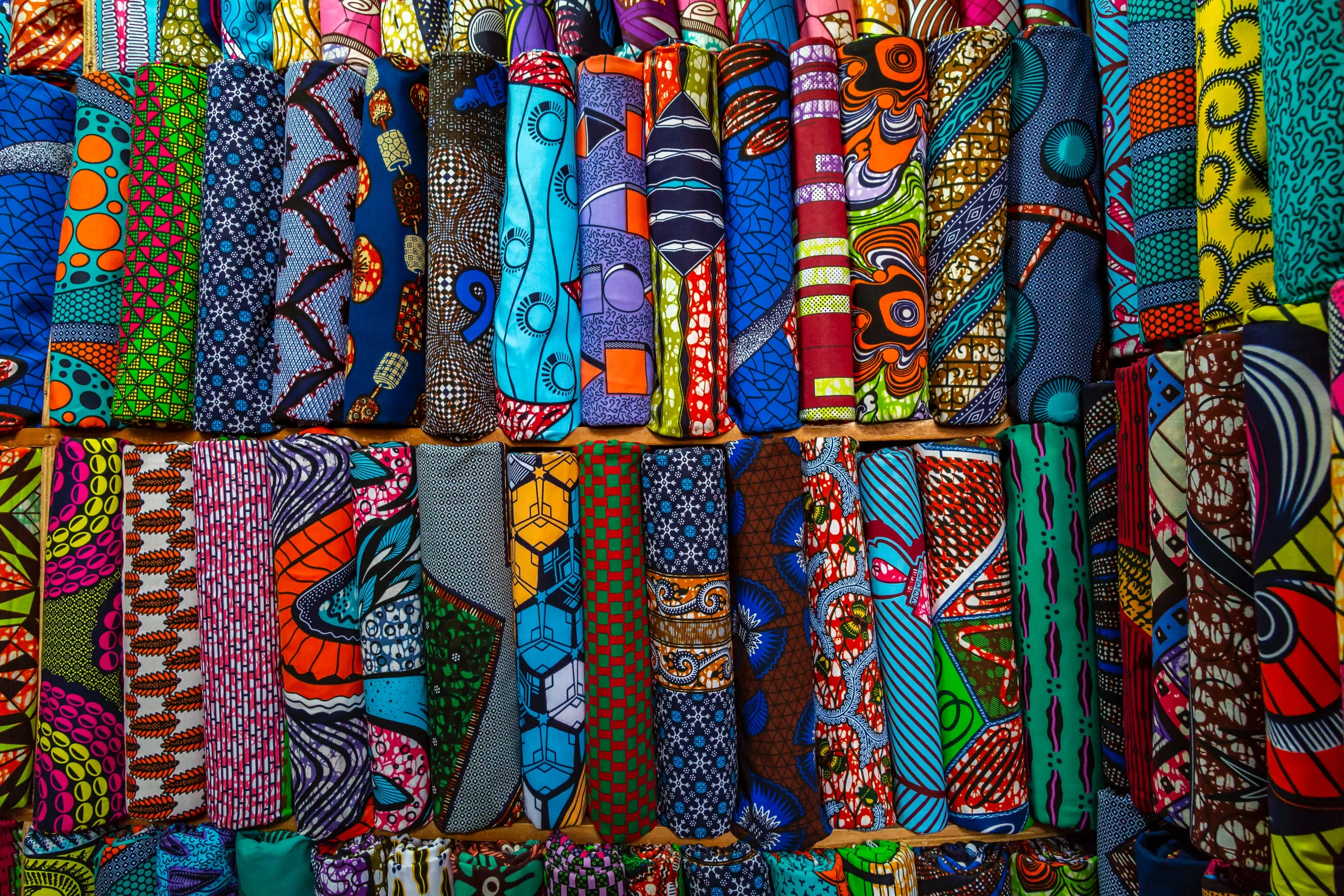
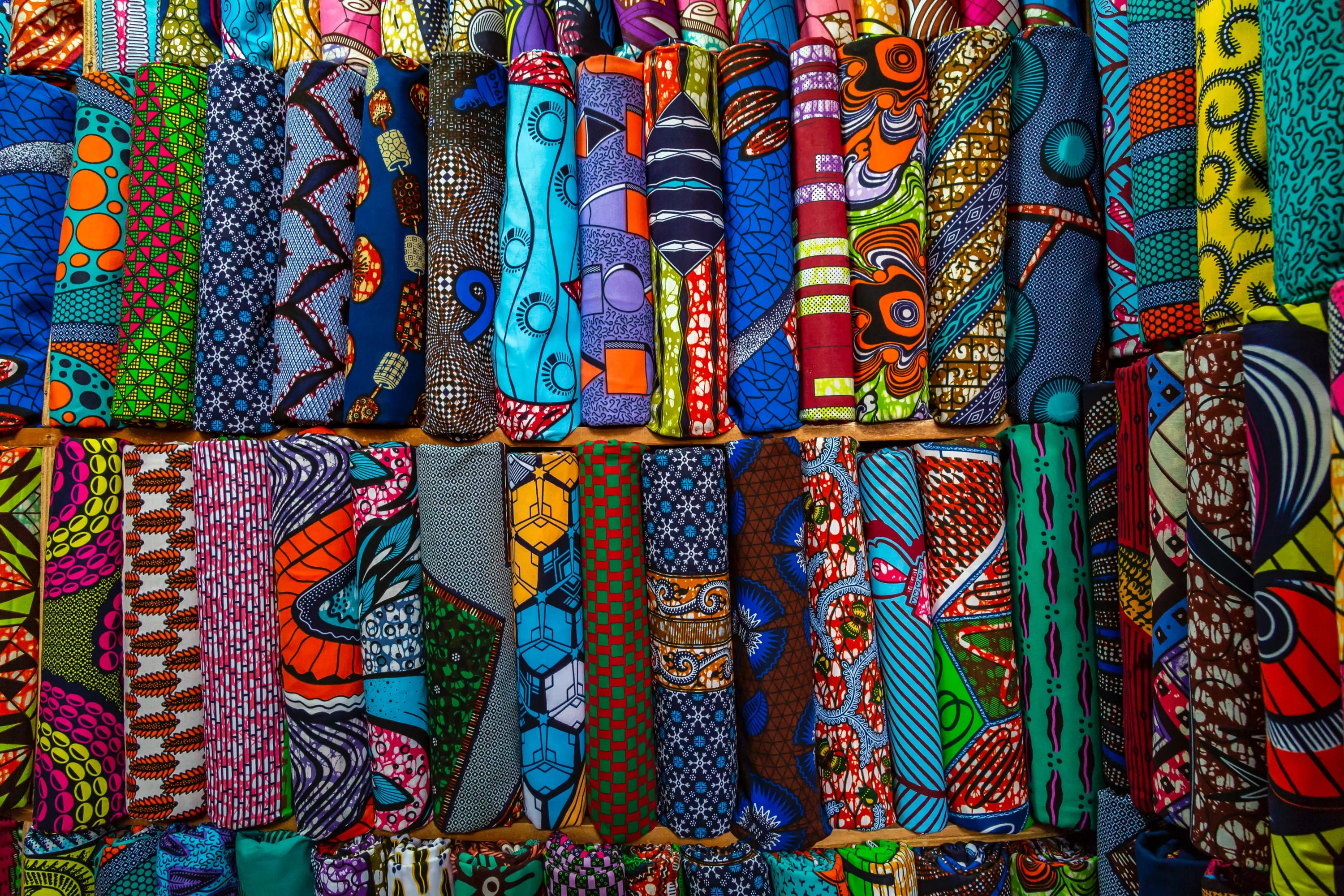
A pile of Ankara fabrics resting on a shelf.
Ankara is the common name for the bright, colorful patterned fabric often called African wax print. This very popular cotton textile is used everywhere in West and Central Africa. It is made using a machine process where hot wax is pressed onto the fabric to block the dye, which creates the sharp colors and signature tiny crackle lines. Even though the fabric's manufacturing technique came from outside Africa, it has become a strong symbol of African identity and fashion. The hundreds of designs on Ankara cloth often tell a story, represent a proverb, or signify important cultural meanings.
-
Creator
-
Eva Blue
-
Contributor
-
Ifeoma Nnewuihe
-
Date
-
05/24/2020
-
Place
-
West Africa
-
Time Period
-
Nineteenth-Twentieth Centuries
-
Cultural Use
-
Socially, Ankara is indispensable for marking life's most important transitions, frequently worn at significant ceremonial events such as weddings, naming ceremonies, coronations, and funerals. The selection of specific prints allows for essential group identification, signifying unity and community belonging during gatherings. Moreover, the fabric is a subtle indicator of social hierarchy; the choice and quality of Ankara can quietly communicate a person's status and influence within society. Historically, Ankara also became a powerful political tool, often featuring prints of leaders or slogans, and serving as a crucial symbol of national and cultural independence in the mid-20th century.
-
Technique
-
Wax Print
The Ankara technique is an industrial and highly refined form of wax-resist printing. The process initiates with the application of melted wax onto cotton fabric, which determines the intricate design. The fabric is then placed in a dye bath, where the wax functions as a resist, preventing the dye from coloring the protected areas. A signature step involves a machine-controlled cracking of the wax layer, which allows the dye to seep into the tiny fissures, creating the characteristic marbling and bubble effects. To achieve the final, brightly multicolored patterns, this cycle of waxing and dyeing is repeated multiple times with different colors. Once all colors are set, the fabric is vigorously boiled or washed to remove all traces of wax, revealing the sharp, high-contrast final design. The textile is then prepared for market through a final sequence of finishes and pressing.
-
Textile Type
-
Ankara
-
Region
-
West Africa
West Africa serves as the primary cultural and commercial epicenter for Ankara, or African wax print fabric. Although the industrial wax-resist printing technique originated from Dutch manufacturers (inspired by Indonesian batik), it was wholeheartedly embraced and culturally transformed by nations across the region, most prominently Ghana and Nigeria.
West Africa is not just a consumer market; it is the cultural proving ground where patterns gain their names, proverbs, and social significance. Ankara quickly became a powerful, visible symbol of national identity and resilience in the post-colonial era. Today, the region drives the fabric's design trends and usage, utilizing Ankara for everything from elaborate ceremonial attire at weddings and funerals to modern, globally influential street fashion.
-
Item Type
-
Cloth
-
Language
-
English
 Ankara