-
Title
-
Aso-Oke
-
Description
-
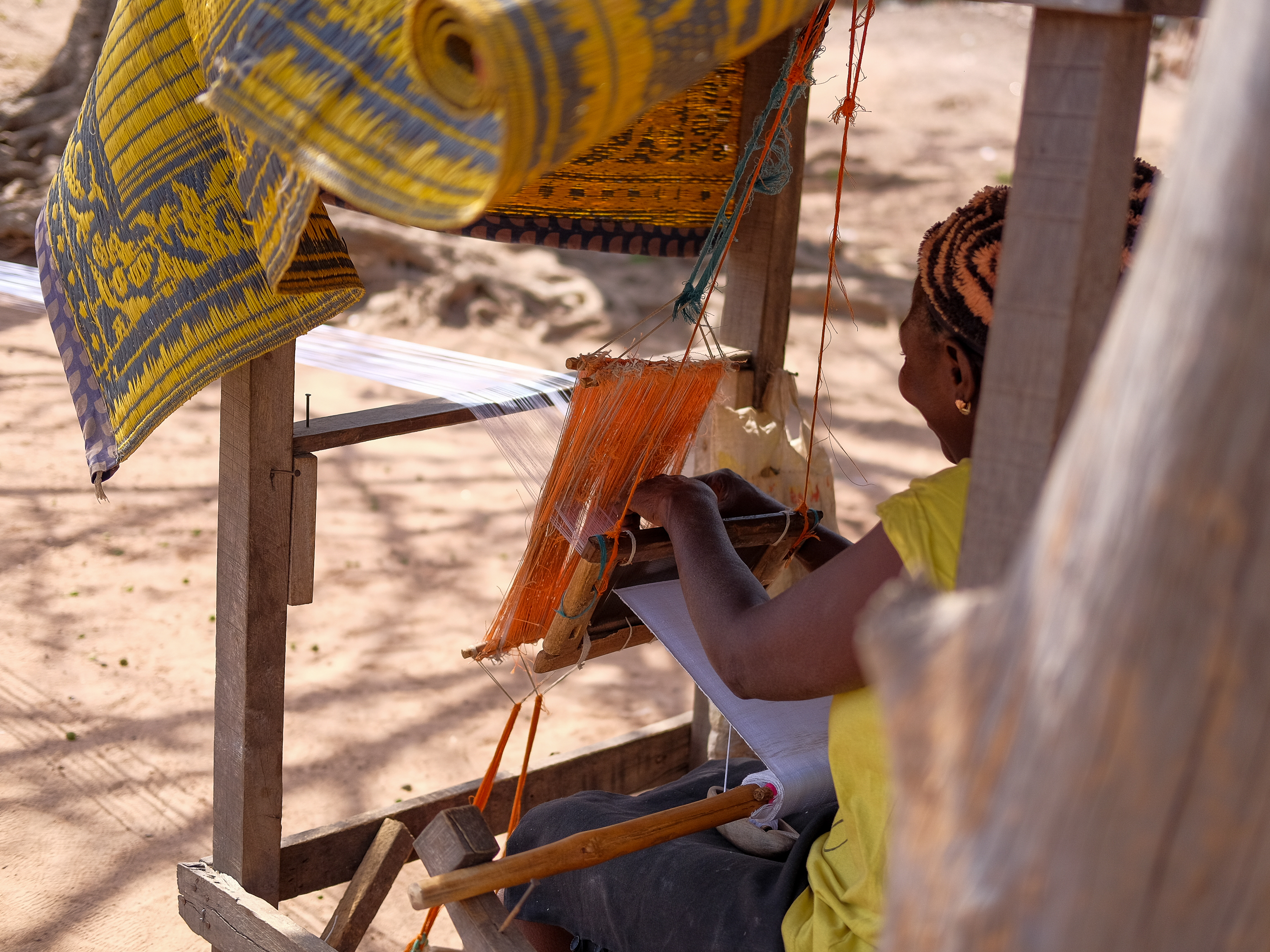
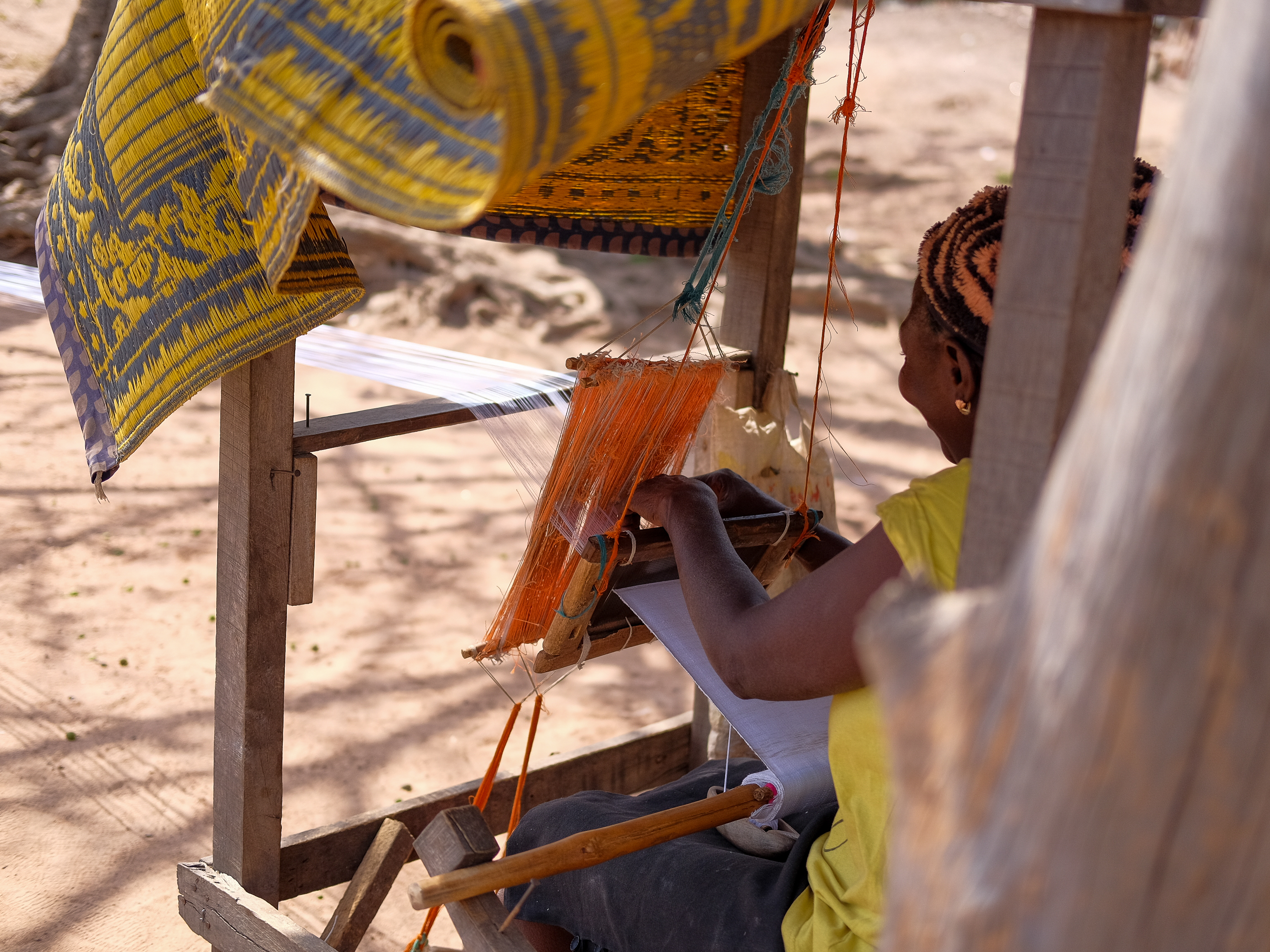
A woman weaving Aso-oke on a traditional handloom.
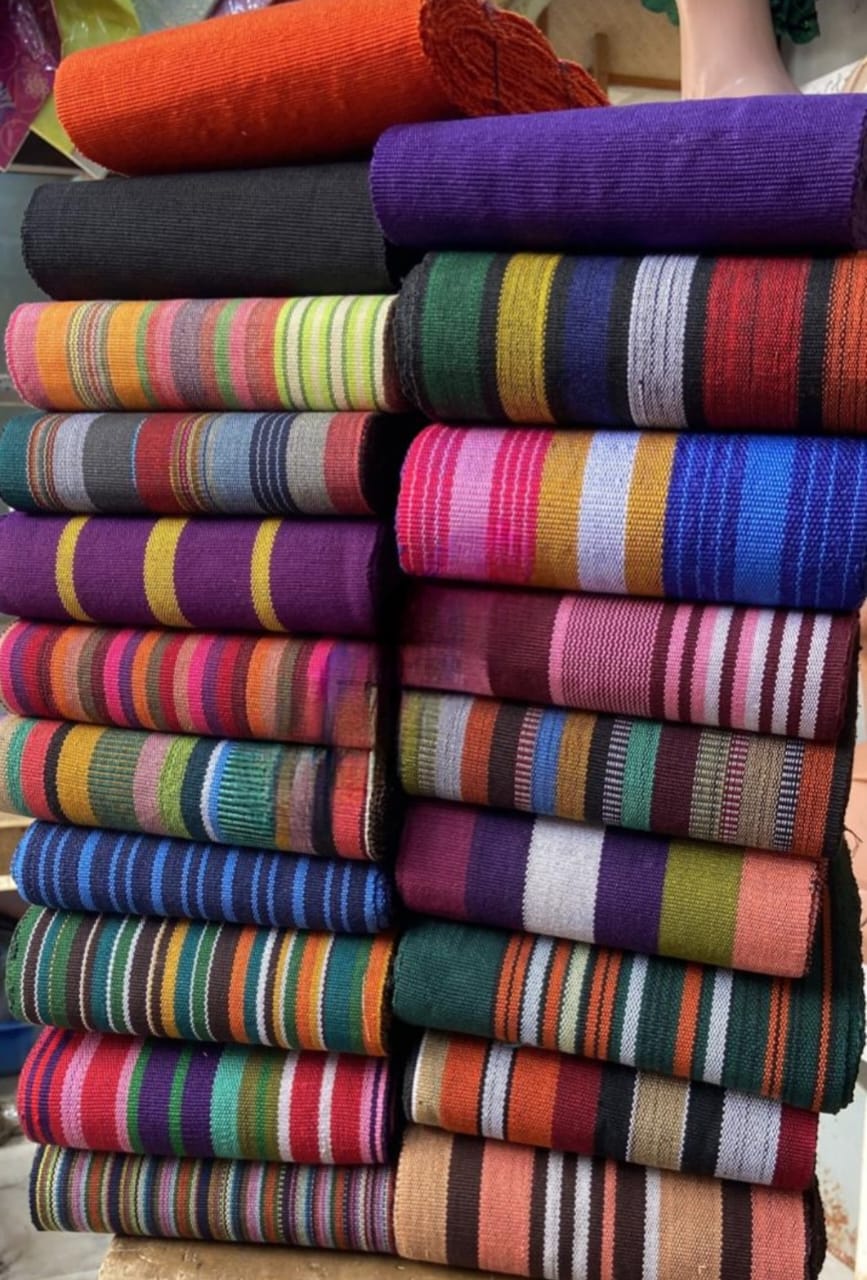
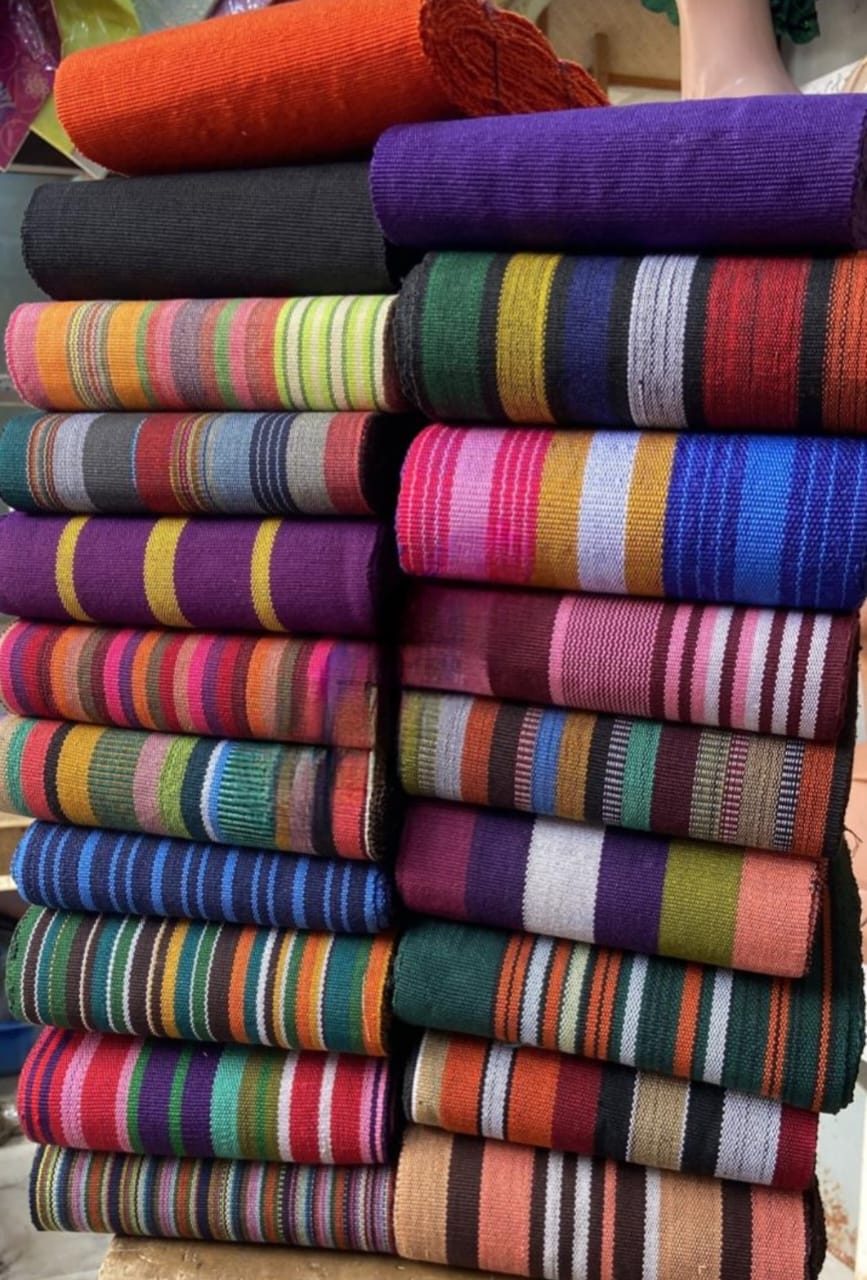
Aso Oke is a renowned, hand-loomed fabric originating from the Yoruba people of Nigeria. Its name literally means "top cloth" and is synonymous with high social status and prestige. The textile is traditionally woven by men on a horizontal loom in narrow strips (about four to six inches wide), which are then meticulously sewn together to form larger garments. Aso Oke is reserved for the most important ceremonial occasions, such as weddings, naming ceremonies, funerals, and chieftaincy installations. It is prized for its complex patterns, rich colors, and various textures, which are created using materials like silk (sanyan), cotton, or synthetic metallic threads, making it a visible declaration of wealth and cultural identity.
-
Creator
-
Ayodele Adeniji
-
Date
-
12/28/2022
-
Place
-
Southwest, Nigeria
-
Time Period
-
Fifteenth Century
-
Cultural Use
-
Aso Oke, meaning "top cloth," is a handwoven textile that forms a profoundly significant part of the culture of the Yoruba people across Nigeria, Benin, and Togo. Though once historically reserved only for royalty, it is now worn by people of all classes and serves as an enduring symbol of identity, status, and heritage. The fabric is essential ceremonial and festive attire, indispensable for major celebrations including weddings, funerals, chieftaincy coronations, and religious festivals. During Yoruba weddings, the couple frequently wears matching Aso Oke—the bride in an iro (wrapper) and buba (blouse) and the groom in a flowing agbada—to symbolize their union and respect for tradition. Even at funerals, Aso Oke is worn to honor the deceased, with specific types, like etu, used to wrap the Egungun masquerade representing the returning ancestors. Historically, the fabric itself was an indicator of status and wealth, with the complexity of the weave and the quantity of the fabric signaling the wearer's prestige. This symbolism extends to the colors and types of Aso Oke: Alaari (deep maroon) symbolizes prestige, Sanyan (beige silk) represents wealth and calm, and Etu (deep indigo) often signifies wisdom. In recent years, Aso Oke has successfully transitioned into modern fashion, being incorporated into contemporary designs worldwide, ensuring the continuity of its tradition and artistry for future generations.
-
Technique
-
Strip-weaving
The creation of Aso Oke relies on the traditional Yoruba process of hand-weaving, which begins long before the loom is set up. The technique starts with yarn preparation, where raw cotton is processed and hand-spun into yarn, which is then dyed using natural materials such as bark or onion skins, followed by sun-drying to set the colors permanently. Next, the weaver meticulously prepares the loom setup by winding the vertical warp threads between two vertical posts and a horizontal beam. These warp threads are carefully passed through heddles, which are small frames that control their movement during weaving. The actual weaving involves using a shuttle to rapidly interlace the horizontal weft threads through the warp. The unique patterns are then created using the skilled "pick and pick" technique, where the weft threads are alternated to produce the distinctive, intricate designs that define the cherished cultural textile.
-
Textile Type
-
Aso Oke
-
Region
-
Southwest, Nigeria
Aso Oke originates from the Yoruba people, who primarily inhabit Southwestern Nigeria, but whose cultural areas also extend into parts of Benin and Togo. The production is concentrated in this historical region, where weaving traditions are strong. The Aso Oke textile is deeply rooted in the cultural life of these communities, serving as a primary marker of identity and prestige.
-
Item Type
-
Cloth
-
Language
-
English